


A butterfly roof is a striking, V-shaped roof design where two slopes angle inward to form a central valley, giving the roof the distinct appearance of butterfly wings in flight. Originally popularized in mid-century architecture, especially across Southern California, this unique style is now gaining traction with Minnesota homeowners who want bold curb appeal and modern efficiency.
- Bold curb appeal: The dramatic silhouette enhances contemporary or custom homes.
- Efficient water control: The inward slope allows for centralized drainage or rainwater harvesting.
- Green-ready: It pairs perfectly with solar panels and passive cooling strategies.
In this guide, we’ll explore how a butterfly roof works, what makes it different from other roofing styles, and whether it’s the right fit for your home’s architecture and climate.
How a Butterfly Roof Works

A butterfly roof is an inverted roofing system—its two planes slope inward, meeting at a central valley that serves as the roof’s main drainage channel. This bold structure requires precise engineering to perform well, particularly in climates like Minnesota’s.
- Drainage path: Water collects in the center valley and is directed to scuppers or interior drains.
- Structural support: Requires custom framing to accommodate inward slopes and potential snow loads.
- Architectural presence: Creates tall, outward-facing walls ideal for clerestory windows and dramatic interior light.
Origin and Design Inspiration
The butterfly roof rose to prominence in the 1940s and 1950s thanks to architects like William Krisel and Frank Lloyd Wright. It became an icon of mid-century modern design, admired for its futuristic lines and integration with sustainable design principles.
- Desert-friendly origins: Originally suited for dry, low-rainfall areas.
- Solar adaptability: The broad surfaces make it ideal for solar panels.
- Modern resurgence: Now popular for energy-efficient homes and green construction projects.
Pros and Cons of Butterfly Roofs
Benefits
- Striking aesthetic: The bold slope adds architectural flair to any home.
- Optimized drainage: Central runoff enables easy rainwater capture.
- Solar panel potential: Large, angled surfaces improve energy production.
- Eco-conscious design: Excellent for green builds and natural light use.
- Interior daylighting: The raised walls accommodate high windows and natural illumination.
Drawbacks
- Complex construction: Requires skilled engineering and precision installation.
- Drainage sensitivity: Clogged valleys can lead to pooling and leaks.
- Maintenance required: Regular cleaning of scuppers and drains is essential.
- Higher cost: Specialized labor and materials increase total project expense.
- Limited attic space: Inward slopes reduce usable space beneath the roofline.
How Butterfly Roofs Differ From Other Roof Types
- Slope direction: Angles inward rather than outward like gable or hip roofs.
- Water collection: Channels water to a central drain instead of outer gutters.
- Architectural style: Offers a modern, asymmetrical profile versus traditional forms.
- Interior atmosphere: Promotes open, airy spaces with higher wall heights.
- Construction complexity: Demands additional waterproofing and structural planning.
Best Roofing Materials for a Butterfly Roof
Metal Roofing
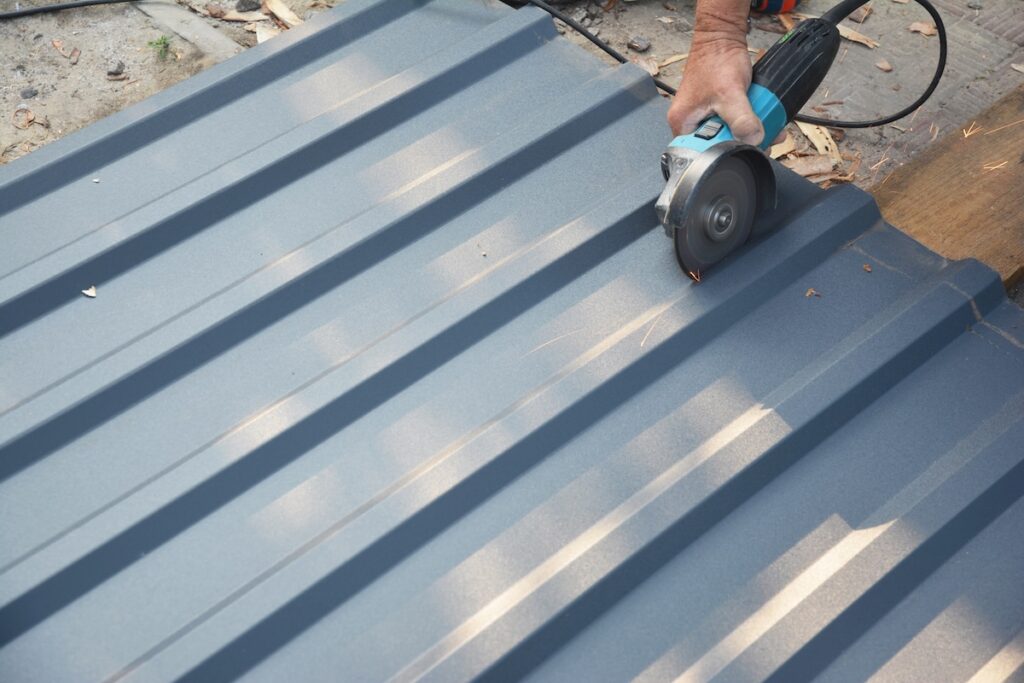
Metal is the top choice for butterfly roofs due to its durability and water-shedding efficiency.
- Efficient drainage: Directs water quickly to the center valley.
- Long lifespan: Can last 40–70 years with proper maintenance.
- Modern look: Complements minimalist and mid-century designs.
TPO or Modified Bitumen
Membrane materials work best on the flatter portions of butterfly roofs.
- Continuous seal: Protects the valley and low-slope sections from leaks.
- Lightweight: Reduces stress on structural framing.
- Budget-friendly: Offers long-term waterproofing at a competitive cost.
Architectural Shingles
- Budget-friendly: Works for moderate slopes and can lower upfront costs.
- Caution: Only suitable when the pitch is steep enough to prevent pooling.
- Extra flashing required: Must include enhanced waterproofing in the central valley.
Drainage in a Butterfly Roof System
Central Drainage
Instead of exterior gutters, butterfly roofs use internal drainage systems.
- Interior downspouts: Carry water from the valley to ground-level drains.
- Scuppers and collector boxes: Direct overflow safely during heavy rain.
- Backup drains: Prevent flooding in extreme weather.
Seasonal Maintenance
Minnesota homeowners should plan for added winter upkeep.
- Debris removal: Clear leaves and ice buildup regularly.
- Post-storm inspection: Check drains and valleys after heavy snow or wind.
- Ice dam prevention: Use insulation and roof heat cables as needed.
Butterfly Roof Cost in Minnesota
The price of installing a butterfly roof depends on complexity, materials, and regional labor rates. Minnesota’s snow load requirements and insulation needs typically raise costs slightly above national averages.
| Component | Average National Cost | Minnesota Range (2026) | Notes |
| Design and Engineering | $2–$5 per sq. ft. | $3–$6 per sq. ft. | Custom framing and drainage design |
| Metal Roofing | $8–$14 per sq. ft. | $9–$15 per sq. ft. | Premium standing seam metal often used |
| TPO/Modified Bitumen | $5–$8 per sq. ft. | $6–$9 per sq. ft. | Best for low-slope areas |
| Full Installation (Avg. Home) | $25,000–$45,000 | $30,000–$50,000 | Includes framing, waterproofing, insulation |
Tip: Labor costs in the Twin Cities area tend to run 10–15% higher than rural Minnesota due to availability of skilled contractors.
Modern Roof Design Experts in Blaine and Surrounding Areas
At Northface Construction, we’ve helped homeowners across Blaine, Andover, and Elk River achieve architectural roofs that perform beautifully in Minnesota’s climate. Butterfly roofs require precise slope calibration, heavy-duty waterproofing, and smart drainage—our team handles each step with expertise.
Why homeowners trust us:
- Local engineering insight: We design for snow load and wind resistance.
- Premium materials: Metal, TPO, and custom insulation for long-term performance.
- Full-service roofing: From design consultation to installation and maintenance.
- Energy-efficient focus: Perfect integration for solar and rainwater systems.
FAQs for Minnesota Homeowners
Are butterfly roofs good for Minnesota homes?
Yes, with the right pitch and insulation. Proper drainage and snow management are essential for long-term durability.
Can a butterfly roof handle heavy snow?
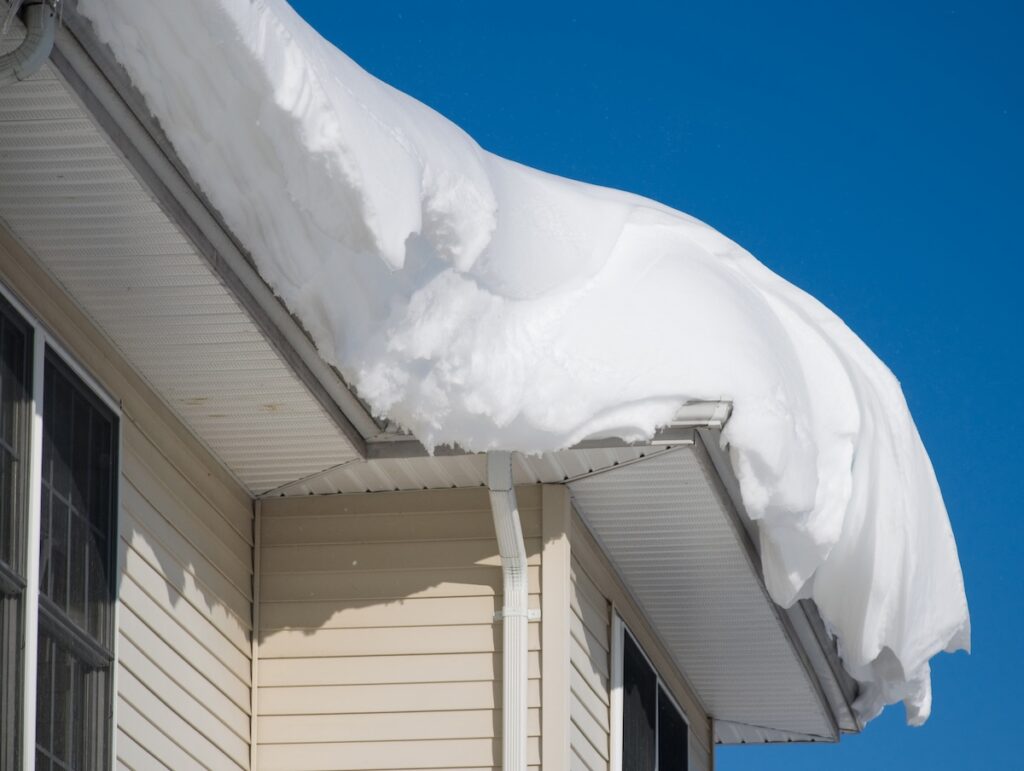
Absolutely—when engineered with reinforced framing and heating cables to prevent ice buildup in the central valley.
What’s the lifespan of a butterfly roof in Minnesota?
Typically 40–70 years for metal or membrane systems when properly maintained.
How often should I clean the valley drains?
At least twice per year—once in spring and once in fall, plus after any major snowstorm.
Is a butterfly roof more expensive to maintain?
Slightly, due to the specialized drainage system. However, proactive maintenance keeps costs manageable.
Can I retrofit an existing home with a butterfly roof?
It’s possible, but more costly than incorporating it into a new build due to framing changes.
Elevate Your Home’s Roof Design With Northface Construction
The butterfly roof blends bold design and sustainability, making it perfect for homeowners who value both aesthetics and performance. Northface Construction provides expert design, installation, and long-term support for butterfly roofs in Blaine and surrounding Minnesota cities.
Contact Northface Construction today for a free quote and discover how our team can bring your modern roof vision to life.
