

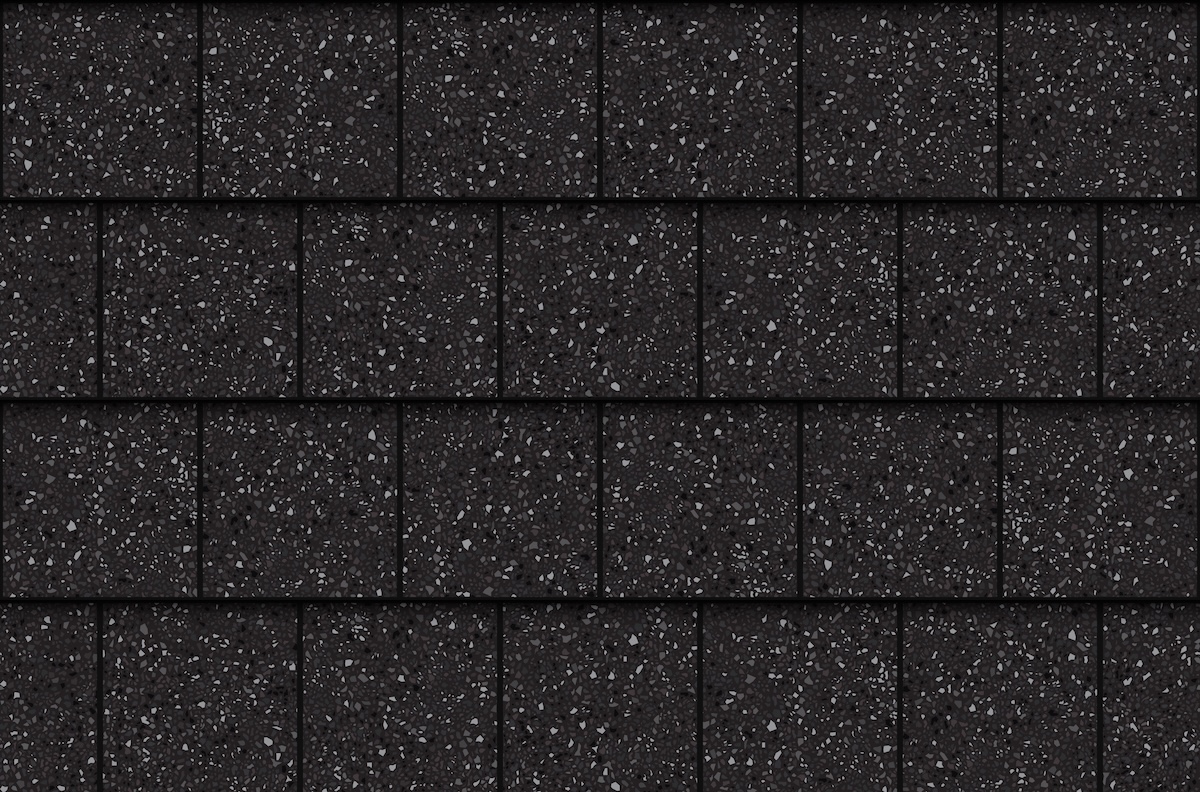


Many homeowners ask, does a black roof make your house hotter? The short answer is yes, but the degree of heat increase depends on several factors. Roof color plays an important role in your home’s energy efficiency and comfort, especially during warm months. By understanding how roof color interacts with climate, ventilation, and materials, you can make the best decision for your home.
- Roof color impacts temperature: Dark colors absorb more sunlight, while light colors reflect it.
- Energy bills are affected: Poor color choices may lead to higher cooling costs in summer.
- Climate matters: What works in Minnesota may not be ideal in Florida, and vice versa.
☀️ Why Roof Color Affects Heat Absorption
The science is simple: dark colors absorb more heat. A black roof can reach temperatures up to 50 degrees hotter than a light-colored roof under direct sunlight. This heat radiates into the attic and living spaces, forcing air conditioning systems to work harder. On the other hand, lighter colors like beige or light gray reflect sunlight, reducing heat transfer.
🌡️ 5 Factors That Influence House Temperature
Several variables determine how much heat a black roof adds to your home.
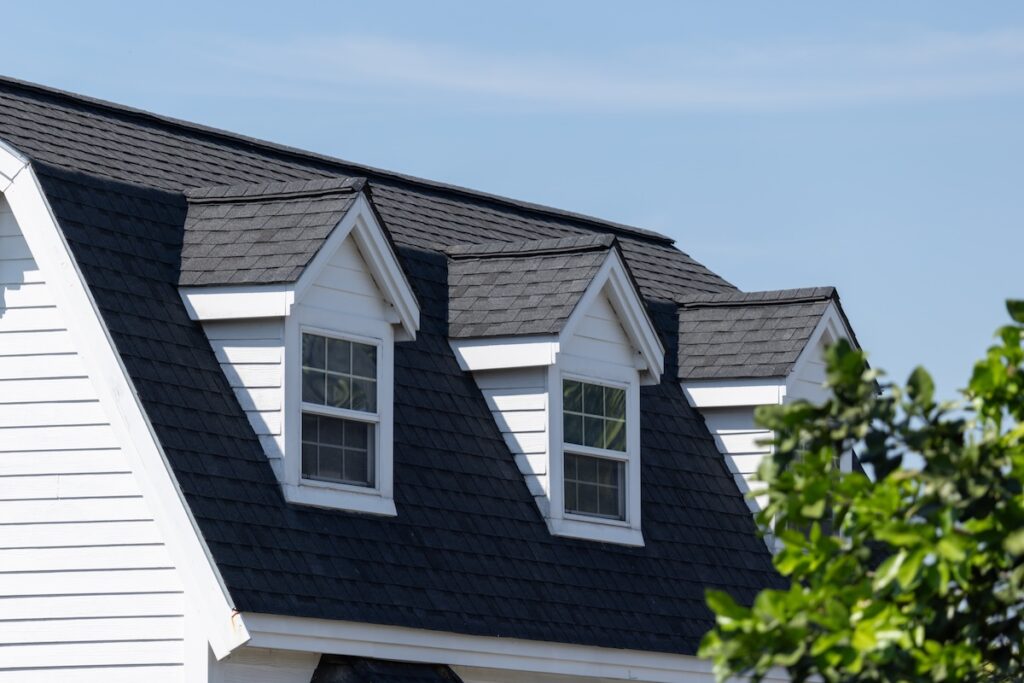
- Climate and Location: In cooler regions like Minnesota, the extra warmth from a black roof may be beneficial in winter by helping snow melt faster. In hot southern states, the same roof could raise indoor temperatures significantly.
- Attic Ventilation: Proper ventilation can offset much of the heat a black roof absorbs. Without airflow, attic temperatures soar, leading to trapped heat that seeps into living spaces.
- Insulation Levels: A well-insulated attic prevents most of the roof’s heat from transferring indoors. Homes with poor insulation will notice a bigger difference with darker roofing colors.
- Roofing Materials: Not all black roofs perform the same. For example, when looking at black asphalt shingles vs metal roofs, the shingles absorb more heat than black metal roofs with reflective coatings.
- Roof Pitch and Exposure: Steeper roofs reflect sunlight more effectively than flat ones. Similarly, homes with roofs in constant direct sun will see more heat absorption than shaded properties.
✅ Benefits Of A Black Roof
While heat absorption is often seen as a drawback, black roofs come with advantages that may outweigh the negatives in some climates.
- Classic curb appeal: Black roofs match nearly every siding and brick color, creating a timeless look. They give homes a clean, polished appearance that appeals to a wide range of buyers.
- Snow melt assistance: In northern states, darker roofs can help snow and ice melt faster in winter. This reduces the weight on your roof and lowers the risk of ice dams forming at the edges.
- Higher resale appeal: Many buyers prefer the sharp, dramatic look of a black roof. Aesthetic consistency with trim and shutters can even increase curb appeal during resale.
- Versatile with design styles: From modern to traditional homes, black works well with multiple architectural designs, making it one of the most flexible roofing color options.
❗️ Drawbacks Of A Black Roof
Homeowners should also weigh the disadvantages before committing to a dark-colored roof.
- Higher cooling costs: Air conditioning works harder in summer, which can increase utility bills — especially in hotter states.
- Shorter lifespan in hot climates: Prolonged heat exposure can cause roofing materials to dry out and wear faster, sometimes reducing a roof’s expected lifespan.
- Uncomfortable attic spaces: Attics without proper ventilation may become extremely hot, limiting their use for storage and increasing stress on insulation.
- Greater heat island effect: In dense urban areas, many black roofs together can raise overall neighborhood temperatures, sometimes referred to as the “heat island” effect.
📉 How To Minimize Heat Absorption With A Black Roof
If you love the look of a black roof but worry about heat, there are ways to manage the temperature.
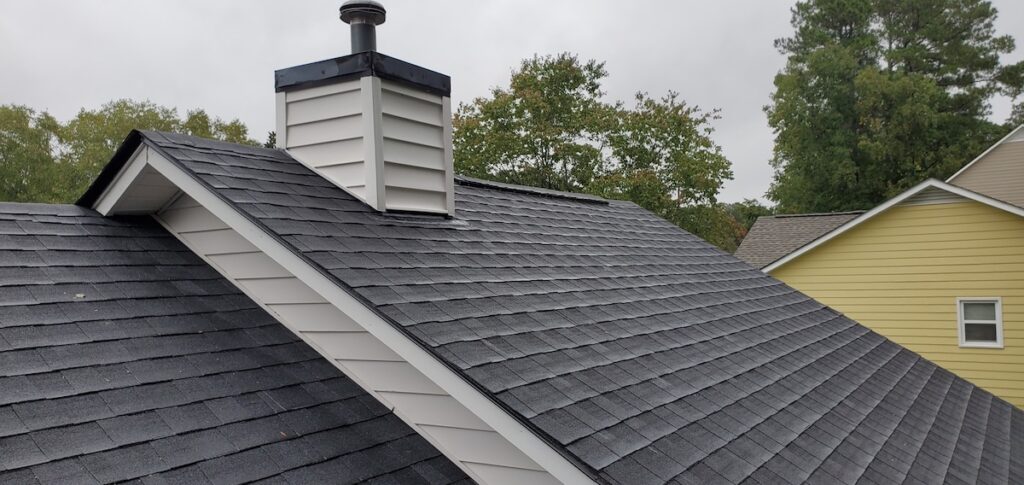
- Improve attic ventilation: Ridge vents allow hot air to escape along the peak of the roof, soffit vents bring cooler air into the attic for balanced airflow, and attic fans help remove hot air to reduce heat buildup.
- Upgrade insulation: Adding extra insulation in your attic reduces heat transfer and keeps your living spaces cooler. Insulation also lowers heating costs in the winter, making it a year-round benefit.
- Consider reflective shingles: Many manufacturers now offer “cool roof” shingles in darker colors, including black. These shingles are designed with reflective granules that reduce heat absorption without sacrificing style.
- Add strategic shade: Trees, pergolas, or exterior shade structures can block direct sunlight from hitting the roof, lowering overall temperatures.
🤔 Should You Choose A Black Roof?
The right roof color depends on your home’s location, style, and energy needs. In northern climates, black roofs can be a smart choice thanks to snow-melt benefits and reduced heating bills. In hotter climates, homeowners may want to explore lighter shades or reflective roofing products.
Consider your long-term energy costs when making the decision. Even though black roofs are stylish, the increased cooling bills in summer may outweigh the benefits in hot regions. On the other hand, if you live in a place with harsh winters, a black roof could help reduce ice buildup and lower heating costs.
Homeowners should also think about their home’s design. Black roofs tend to be bold and dramatic, which may suit modern, Colonial, or brick homes. For cottage or Craftsman-style homes, lighter tones might be a better fit. The decision comes down to a balance between aesthetics, energy efficiency, and climate performance.
🤝 Why Work With A Professional Roofing Contractor
Roofing contractors can provide more than just installation, they can help homeowners make smart choices about color and materials.
- Local expertise: Contractors know how roofing colors perform in your specific climate.
- Energy efficiency advice: Professionals can recommend insulation and ventilation upgrades.
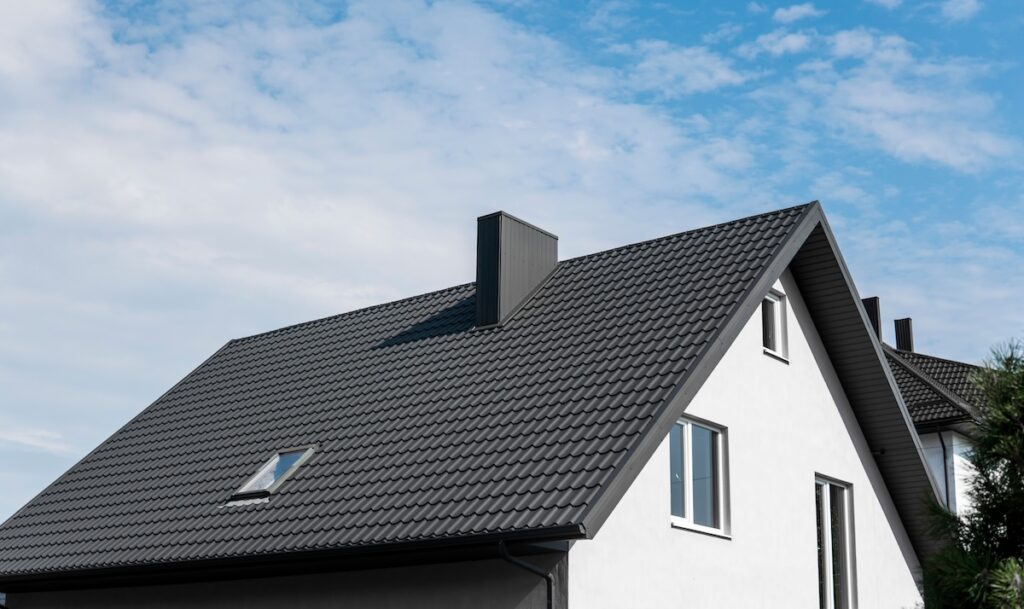
- Design support: They can show real-life examples of homes with black roofs for better visualization.
⭐️ Balance Style And Comfort With Northface Construction
So, does a black roof make your house hotter? Yes, but with the right ventilation, insulation, and roofing materials, you can enjoy the classic look of a black roof without sacrificing comfort.
At Northface Construction, we understand that choosing a roof is about more than just appearance — it’s about protecting your home and managing energy use. Our team helps homeowners weigh the pros and cons of black roofing, provides high-quality installation, and ensures your roof performs in every season.
If you’re ready to upgrade your roof or explore the best color options for your home, contact Northface Construction today for a free quote. Together, we’ll find the perfect balance of beauty and performance.
