

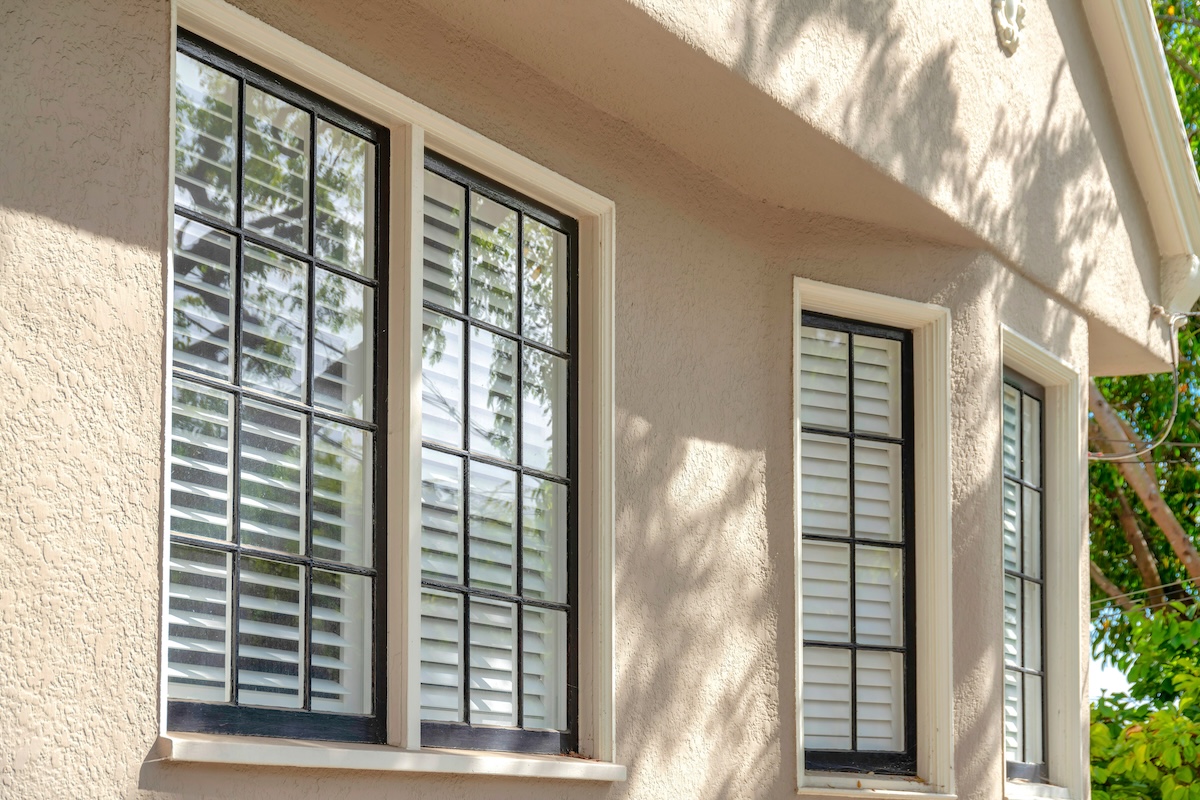

Many homeowners want to know how to fix drafty windows because cold air seeping in during winter or hot air creeping in during summer makes homes less comfortable and more expensive to heat or cool. Drafty windows can account for up to 30% of energy loss in a home, so solving the problem is important not just for comfort but also for efficiency and long-term savings.
- Energy efficiency: Fixing drafts lowers utility bills and keeps rooms more comfortable.
- Home protection: Drafts allow moisture and condensation to form, which can damage frames and walls.
- Peace of mind: Addressing drafty windows now prevents bigger issues down the road.
💨 What Causes Drafty Windows?
Drafts occur when outside air finds a way into your home through gaps or cracks around windows. Some of the most common causes include:
- Worn weatherstripping: Over time, seals around windows dry out, crack, or become compressed. When this happens, they no longer block airflow effectively. You may notice a faint breeze when sitting near the window or a temperature drop on particularly windy days.
- Shrinking caulk: Caulking is designed to seal gaps between your window frame and the exterior wall. However, as caulk ages, it can shrink or peel away, leaving gaps that let in air and moisture.
- Warped frames: Wood window frames expand and contract with changes in temperature and humidity. Over time, this can lead to warping or twisting that prevents the sash from closing tightly.
- Single-pane glass: Older single-pane windows don’t provide the same insulation as double- or triple-pane glass. Even when sealed correctly, they lose heat much faster and can feel drafty.
- Improper installation: If windows weren’t installed correctly in the first place, small gaps may exist around the frame. This is particularly common in homes with older replacement windows.

🛠️ 7 DIY Tips to Fix Drafty Windows
Homeowners often want to try quick and affordable fixes before investing in new windows. Here are seven cost-effective strategies that can make a big difference.
- Reapply Caulk: Scrape away old, cracked caulk around the exterior of the window frame and replace it with fresh, exterior-grade caulk. This not only seals gaps but also prevents moisture intrusion that could lead to rot or mold. Caulk is inexpensive and relatively easy to apply, making it a great first step.
- Replace Weatherstripping: Weatherstripping comes in foam, V-strip, and rubber varieties, and each has its advantages. Foam is inexpensive but less durable, while rubber provides a strong, long-lasting seal. Replacing old, worn weatherstripping ensures that moving parts like sashes and casement windows close tightly.
- Use Draft Stoppers: Fabric draft snakes or silicone draft stoppers can be placed at the base of windows where air tends to seep in. While this is a temporary fix, it’s especially useful during cold winter months when you need a quick solution.
- Apply Window Film Kits: Window insulation kits use clear plastic film applied over the interior of windows. A hair dryer is used to shrink the film, creating a tight seal. This not only blocks drafts but also adds an insulating air pocket. Many homeowners notice a big difference in comfort after applying film in winter.
- Install Interior Storm Panels: Removable storm panels act like a second window, adding an additional barrier to block drafts. They are an excellent choice for homeowners with older, single-pane windows who aren’t ready for full replacement.
- Add Thermal Curtains: Heavy or insulated curtains provide extra protection against drafts by blocking airflow and trapping heat indoors. They also reduce glare in summer, helping lower cooling costs. While curtains don’t fix the root problem, they are an effective support measure.
- Check Locks and Latches: Sometimes the fix is as simple as adjusting or replacing hardware. A window that doesn’t lock properly may not sit flush in its frame, leaving a gap for air to seep through. Tightening or replacing latches restores a snug seal.
👉 When DIY Fixes Aren’t Enough
DIY methods are excellent for temporary or minor drafts, but they may not solve deeper issues. You may need professional help if:
- Drafts persist even after multiple fixes.
- Window panes are cracked, foggy, or have condensation between panes.
- Frames are rotting, warped, or showing signs of water damage.
- Your windows are decades old and lack modern insulation technology.
🪟 The Long-Term Solution: Window Replacement
In some cases, repairing drafty windows only delays the inevitable. Replacing outdated windows with energy-efficient options is the most effective long-term fix.
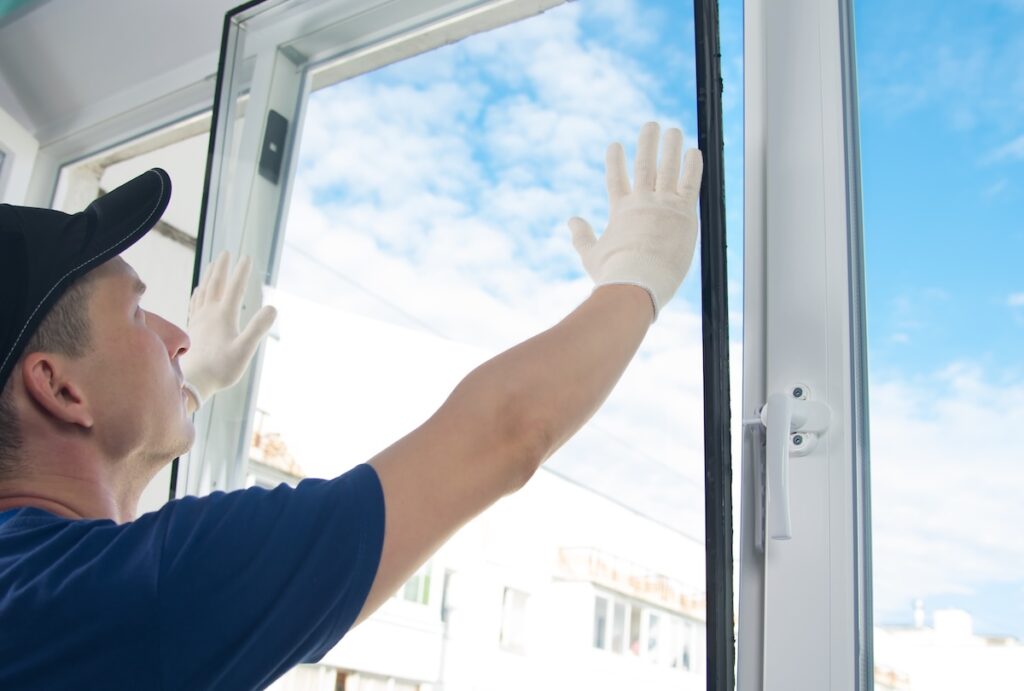
Benefits of Replacement Windows
- Lower energy bills: Energy-efficient double- and triple-pane windows significantly reduce heating and cooling costs.
- Increased comfort: No more cold spots or hot air seeping into your rooms during extreme weather.
- Improved curb appeal: New windows refresh the look of your home from both inside and out.
- Added home value: Energy upgrades are attractive to buyers and can increase resale value.
Energy Savings
Replacing drafty windows isn’t just about comfort — it’s about long-term savings. The U.S. Department of Energy estimates that upgrading to energy-efficient windows can reduce annual heating and cooling costs by up to 25%. For homeowners in climates like Minnesota, that can add up to hundreds of dollars saved each year.
✅ How to Prevent Drafts in the Future
Even after fixing or replacing windows, preventive steps will keep drafts from returning.
- Regular inspections: Inspect caulk, weatherstripping, and locks at least once a year. Early detection makes repairs easier.
- Routine cleaning: Dirt and debris can prevent windows from closing tightly. Cleaning tracks and frames ensures proper seals.
- Moisture control: Use dehumidifiers or exhaust fans to reduce humidity, which protects wood frames from swelling or rotting.
- Proactive maintenance: Don’t wait for full failure — replace small sections of weatherstripping or caulk as soon as wear appears.

🏠 Keep Your Home Comfortable with Northface Construction
Learning how to fix drafty windows starts with simple DIY solutions like caulking, weatherstripping, or window film kits. But if drafts keep coming back or your windows show serious wear, it may be time to replace them with energy-efficient options.
At Northface Construction, we help homeowners identify the best solutions for their windows. Whether you need repairs, upgrades, or full replacements, our team ensures your home stays comfortable, efficient, and protected from the elements.
Contact Northface Construction today for a free quote and take the first step toward eliminating window drafts for good.
