

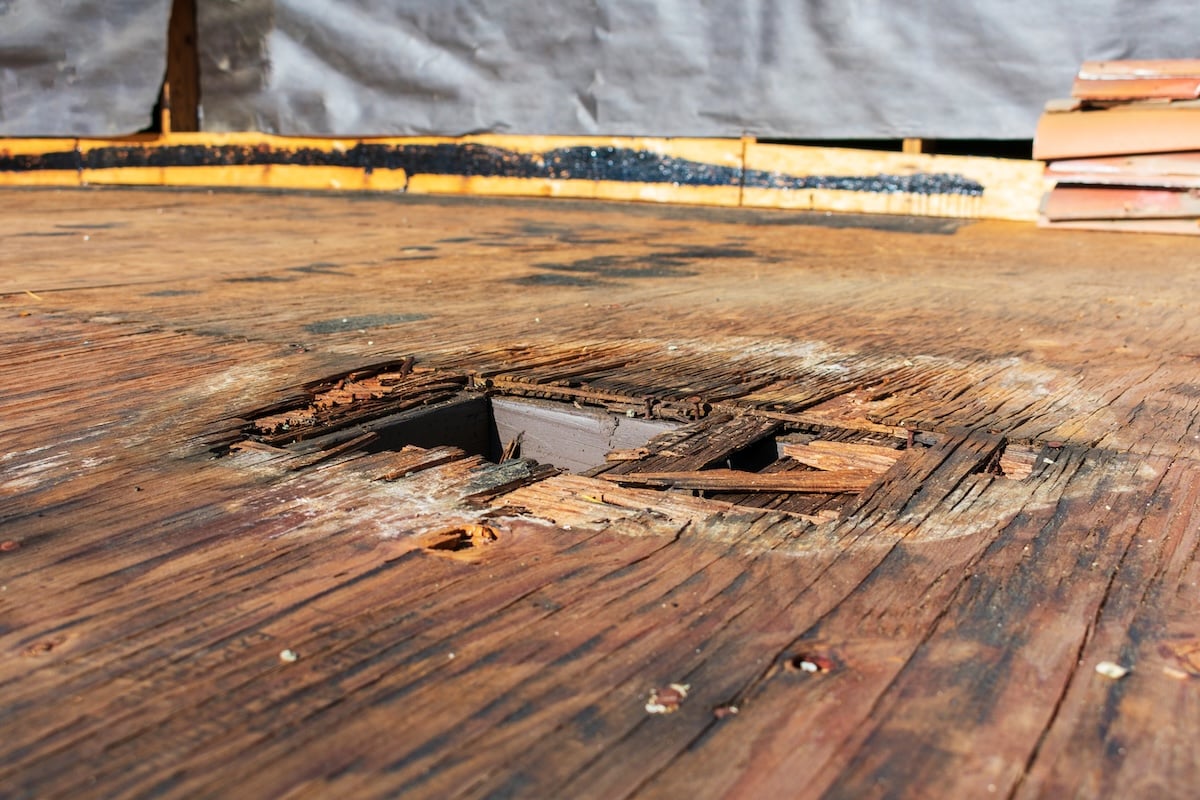

When homeowners hear the term roof dry rot, they often imagine a cosmetic problem, but the reality is far more serious. Dry rot is a form of wood decay caused by fungi that thrive in damp environments. Left untreated, it can compromise the structural integrity of your roof and put your entire home at risk. Understanding how to identify, diagnose, and repair roof dry rot is essential for protecting your investment.
- Serious structural threat: Dry rot weakens wood framing, roof decking, and supports, creating safety risks.
- Difficult to spot early: Signs of dry rot often hide beneath shingles or in attic spaces.
- Preventable with care: Regular inspections, ventilation, and prompt repairs can stop the spread.
🪵 What Exactly Is Roof Dry Rot?
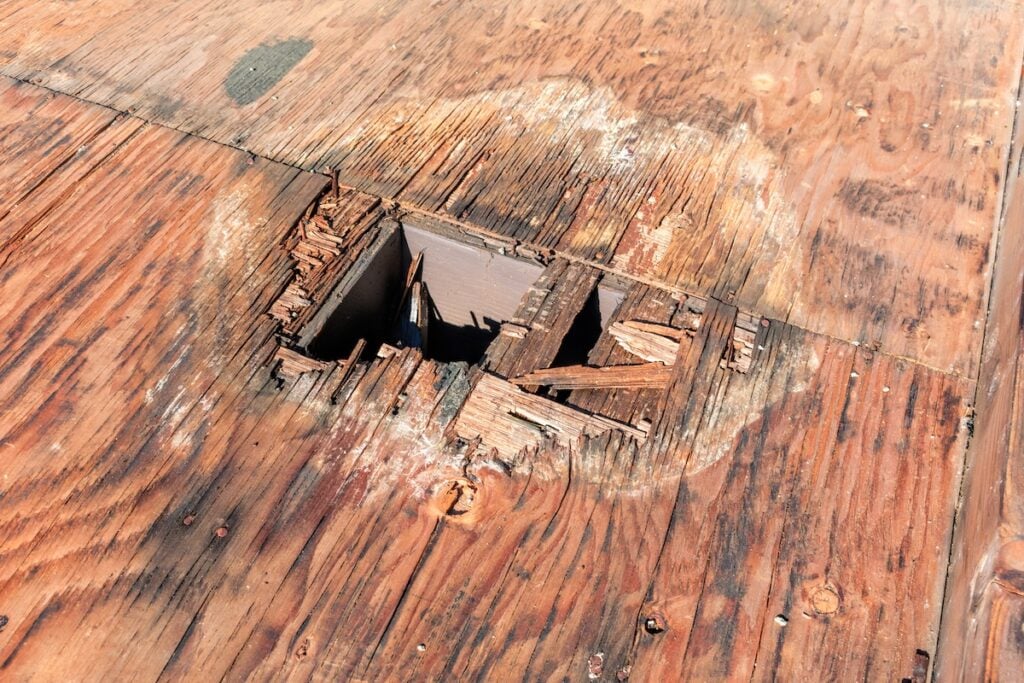
Dry rot is a type of fungal decay that eats away at wood fibers, leaving them brittle and crumbly. Unlike surface mold, dry rot penetrates deep into the structure of the roof, spreading through rafters, decking, and even into walls if unchecked. Moisture is the main culprit — once wood absorbs water, it becomes vulnerable to fungal growth. As the fungus spreads, it leaves behind a musty smell, spongy texture, and dark discoloration.

💧 Common Causes Of Roof Dry Rot
Several factors contribute to the development of dry rot in roofing systems. Homeowners should understand these causes to better prevent the problem.
- Moisture intrusion: Leaks from damaged shingles, flashing, or gutters allow water to seep into wood.
- Poor ventilation: Attics without proper airflow trap humidity, creating an ideal environment for fungal growth.
- Clogged gutters: When water backs up, it can overflow into roof decking, causing hidden saturation.
- Ice dams: Winter buildup prevents melting snow from draining properly, pushing water under shingles.
- Neglected maintenance: Small roof issues that go unrepaired often develop into widespread dry rot.
🔍 How To Inspect For Roof Decking for Dry Rot
Catching dry rot early is the best way to minimize damage. Inspections can be done from both the outside and inside of your home.
Exterior Signs
- Sagging roofline: Visible dips in the roof may signal weakened wood underneath.
- Damaged shingles: Curling, missing, or cracked shingles often allow water to penetrate the roof deck.
- Water stains on eaves: Discoloration on fascia or soffits may indicate rot spreading outward.
Interior Signs
- Musty odor: A damp, earthy smell in the attic is a strong warning sign.
- Discolored wood: Rafters or decking that appear darkened or soft are likely affected.
- Peeling paint on ceilings: Moisture entering through rotted decking often causes interior finishes to fail.

✅ 7 Steps To Diagnose Roof Dry Rot
When you suspect dry rot, here’s how to confirm it:
- Check for softness: Press a screwdriver into wood surfaces. If the wood crumbles easily, it’s rotted.
- Look for cracks: Wood affected by dry rot often has deep cracks running across the grain.
- Smell for mustiness: Fungal growth produces a strong, earthy odor.
- Inspect hidden areas: Examine corners of the attic, roof valleys, and places near chimneys.
- Search for fungal growth: White or gray strands of fungus may appear on or around the wood.
- Look for spread: Dry rot can travel beyond its source into nearby structures.
- Call a professional: If you’re unsure, a roofing contractor can provide a thorough assessment.
🛠️ Repairing Roof Rot
Repair methods depend on the severity of the decay. Some cases may require minor fixes, while others need large-scale reconstruction.
Minor Dry Rot Repairs
If caught early, small sections of rotted wood can often be removed and replaced. A roofing contractor may:
- Cut out the damaged wood.
- Treat surrounding areas with fungicide.
- Replace the section with new, treated lumber.
Major Dry Rot Repairs
When dry rot has spread extensively, more significant repairs are necessary. These often include:
- Replacing roof decking: Entire sheets of plywood may need to be removed.
- Repairing rafters or trusses: Structural supports may need reinforcement or replacement.
- Installing new roofing materials: Once the structure is sound, new shingles or roofing systems are applied.
The Role Of Ventilation And Waterproofing
Repairing damage is only half the battle. Contractors also address the root causes by improving ventilation, sealing leaks, and ensuring gutters function properly. Without these steps, dry rot may return.
❗️ Preventing Dry Rot: Tips For Homeowners
Stopping dry rot before it starts is the best way to protect your home.
- Schedule regular inspections: Professional roof checks once or twice a year can identify early signs.
- Maintain gutters: Keep them clear of debris so water can drain properly.
- Address leaks immediately: Even small drips should be repaired before they cause major damage.
- Ensure proper attic ventilation: Balanced airflow reduces humidity and prevents fungal growth.
- Upgrade materials when replacing: Using rot-resistant wood or composite materials can improve durability.
👷 Why Professional Help Is Essential
While homeowners can spot signs of dry rot, repairs are not a DIY project. Cutting into roof decking or rafters without proper training can compromise the structure and lead to more costly fixes. Roofing contractors bring expertise, tools, and materials to diagnose and repair the problem safely. They can also provide warranties on repairs, giving you peace of mind.
💪 Protect Your Home With Northface Construction
Roof dry rot is more than a cosmetic issue — it’s a serious structural threat that requires prompt attention. By learning how to inspect, diagnose, and repair dry rot, you can protect your home from expensive damage.
At Northface Construction, we’re proud to help Minnesota homeowners safeguard their homes from issues like dry rot, leaks, and storm damage. Our team combines expert craftsmanship with local experience to deliver solutions you can count on.
If you suspect roof dry rot or simply want peace of mind about your roof’s condition, contact Northface Construction today for a free quote. Together, we’ll ensure your home stays strong, safe, and ready for every season.
