


Homeowners often notice thermal cracking shingles on their roof, but many aren’t sure what it means or how serious it is. Shingle cracks caused by temperature fluctuations can shorten the lifespan of your roof and lead to water damage if left unaddressed. Understanding why this happens and how to prevent it can save you from costly repairs in the future.
- What it is: Thermal cracking happens when shingles expand and contract due to temperature changes, causing splits.
- Why it matters: Cracked shingles allow moisture to seep in, leading to leaks, rot, and mold growth.
- What to do: Preventative measures and timely roof inspections can help avoid major issues.
🤔 What Is Thermal Cracking In Shingles?
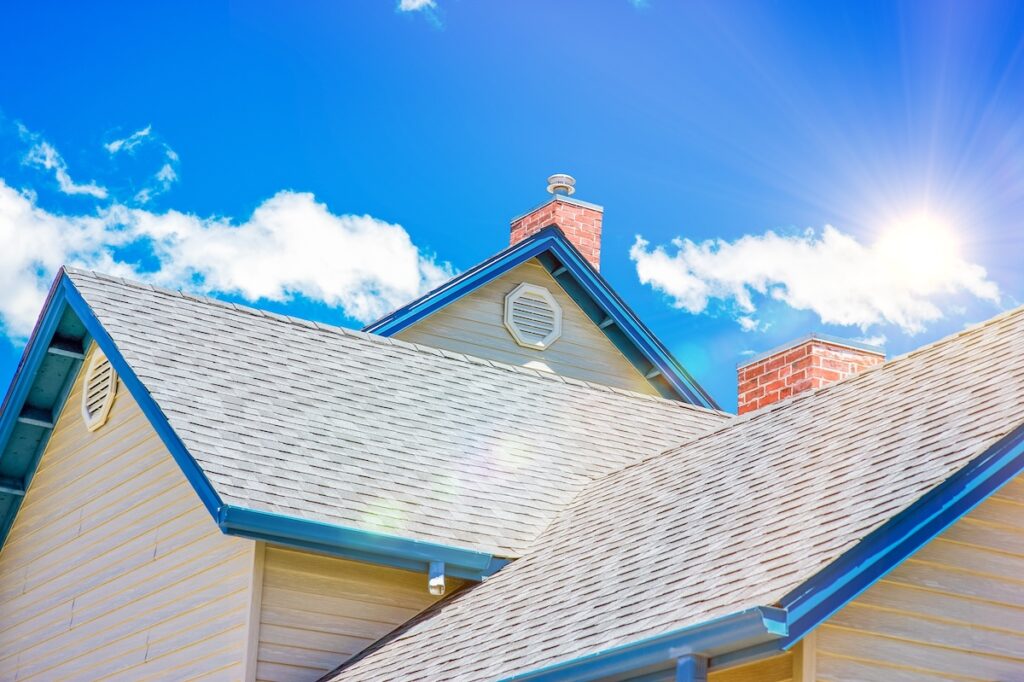
Thermal cracking occurs when asphalt shingles expand during hot temperatures and contract in the cold. Over time, this repeated stress weakens the shingle material, causing visible splits or tears. Cracks may appear small at first but can spread quickly, especially under heavy rain, snow, or hail. The most vulnerable shingles are usually those facing direct sunlight, but even shaded areas can be impacted if ventilation is poor or materials are aging.
☀️ 7 Common Causes Of Thermal Cracking Shingles
Here are the leading reasons shingles may develop thermal cracks on a roof:
- Extreme Temperature Swings: Large fluctuations between hot days and cold nights accelerate shingle expansion and contraction, causing cracks to form.
- Poor Quality Materials: Lower-grade asphalt shingles are more prone to shrinking and splitting, especially in climates like Minnesota’s.
- Aging Roofs: As shingles get older, the asphalt loses flexibility, making them more brittle and vulnerable to cracking.
- Improper Ventilation: Roofs without adequate attic ventilation trap heat, stressing shingles and increasing thermal damage.
- Improper Installation: If shingles are nailed incorrectly or over-tightened, they may not move naturally with temperature changes.
- Direct Sun Exposure: Roofs with no shade are exposed to UV rays for long hours, which dry out asphalt oils and make shingles crack faster.
- Manufacturing Defects: Occasionally, shingles have flaws from the factory that make them more likely to split prematurely.
🔍 How To Spot Thermal Cracking On Your Asphalt Shingle Roof
Homeowners can often identify cracking shingles with a quick visual inspection. Look for:
- Straight-line splits: Cracks often appear parallel to the shingle’s length.
- Multiple cracks in clusters: Thermal damage usually affects more than one shingle at a time.
- Exposed fiberglass mat: When cracks deepen, the inner layers of the shingle may be visible.
- Worsening after storms: Heavy wind or hail can enlarge existing cracks.
If you notice any of these signs, it’s best to call a roofing contractor for a professional inspection.

❗️ Prevent Thermal Splitting and Cracking Shingles
While cracking can’t always be avoided, there are steps homeowners can take to minimize the risk.
Choose High-Quality Roofing Materials
Premium asphalt shingles or alternative options like metal roofing are more durable against thermal movement. Some shingles are designed with reinforced mats and advanced adhesives to better resist cracking. Homeowners should also consider impact-resistant shingles, which hold up better in extreme temperatures and storms. Investing in quality materials up front often saves money in long-term repairs and replacements.
Ensure Proper Attic Ventilation
- Balanced airflow: Adequate intake and exhaust vents regulate attic temperature, reducing heat stress on shingles.
- Energy efficiency: Good ventilation also helps lower cooling costs in summer and prevents ice dams in winter.
- Moisture control: Ventilation reduces condensation in the attic, which can weaken roofing materials from underneath.
Without proper ventilation, even the best shingles will wear down faster than expected.
Schedule Regular Roof Inspections
Having a roofing contractor inspect your roof once or twice a year allows you to catch small cracks before they turn into major problems. Inspections are especially important after severe weather events, which can magnify existing cracks. A professional can identify subtle signs of damage you may miss from the ground.
Hire Experienced Installers
- Correct nailing techniques: Properly nailed shingles move with temperature changes instead of buckling or tearing.
- Manufacturer guidelines: Certified contractors follow product-specific instructions, reducing installation-related damage.
- Proven track record: Choosing an experienced roofing contractor gives you confidence the job will be done right the first time.
🛠️ Repair Or Replace: What To Do If Cracks Appear
Not all cracked shingles mean a full replacement is necessary. The right solution depends on the extent of the damage.
- Minor cracks: Individual shingles can often be replaced or repaired with roofing cement. This is an affordable option if the cracks are limited to one area.
- Widespread cracking: If large sections are affected, a roof replacement may be the most cost-effective solution. Replacing the roof ensures that you won’t be facing repeated repair bills for the same issue.
- Timing matters: If your roof is already nearing the end of its expected lifespan, replacing it may be more practical than repairing it. A new roof also provides an opportunity to upgrade to stronger materials that resist thermal cracking.
- Insurance considerations: Storm damage that worsens existing cracks may be covered by your homeowner’s policy, depending on the situation. Documenting the damage and working with a roofing contractor can make the claims process smoother.
⭐️ Why Working With A Professional Roofing Contractor Matters
Thermal cracking may look like a minor cosmetic issue, but it’s a sign of deeper roofing stress. A professional roofer can:
- Identify underlying causes: Contractors check for ventilation issues, poor installation, or material flaws.
- Provide tailored solutions: From spot repairs to full replacements, recommendations are based on your roof’s condition.
- Protect your investment: Correct repairs prevent leaks, mold, and structural damage that could cost thousands to fix later.
- Offer peace of mind: Professionals back their work with warranties, giving you long-term confidence in your roof’s performance.
💪 Protect Your Roof With Northface Construction
Thermal cracking shingles are more than just an eyesore — they’re an early warning that your roof needs attention. By understanding the causes and taking preventative steps, you can save money and extend the life of your roof.
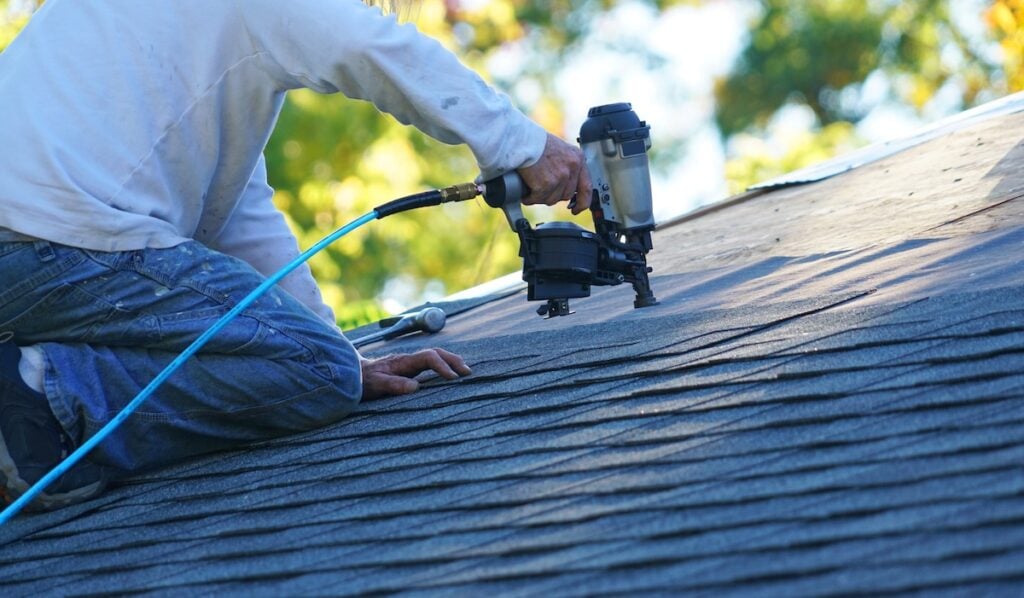
At Northface Construction, we’re proud to be the local roofing contractor homeowners trust for inspections, repairs, and replacements. Our team knows Minnesota’s climate and uses proven methods to build roofs that last.
If you’ve noticed cracked shingles or want peace of mind before the next season, reach out today for a free quote. Let’s keep your home safe, secure, and ready for every weather challenge Minnesota brings.
